
Chronic Allergic Cough in Children: A Case Series Highlighting Individualized Homeopathic Treatment
A collection of five pediatric chronic cough cases illustrating individualized homeopathic prescribing based on emotional pathology, supported by charac...
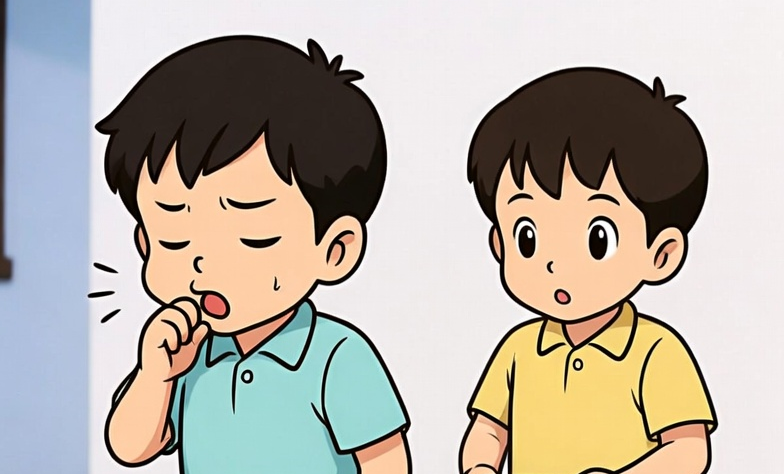
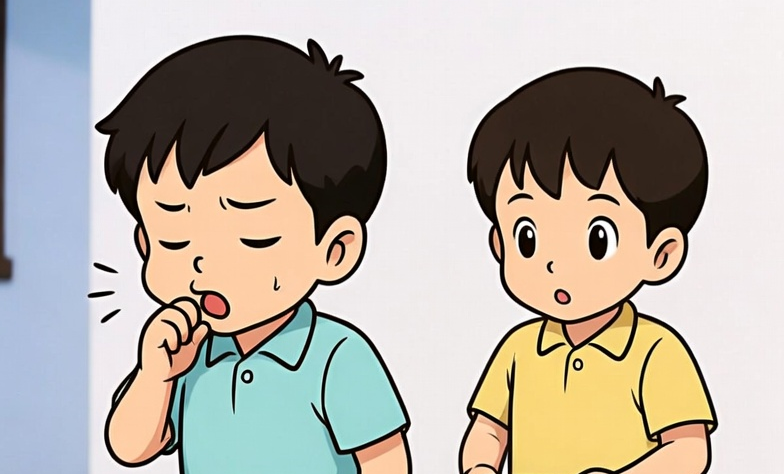
A collection of five pediatric chronic cough cases illustrating individualized homeopathic prescribing based on emotional pathology, supported by characteristic physical symptoms. Each case highlights how treating the child rather than the disease leads to significant clinical improvement across respiratory, behavioral, and developmental domains.
Introduction
Chronic and recurrent cough in children is a common clinical presentation, often managed conventionally with symptomatic treatments such as antihistamines, bronchodilators, or antibiotics. However, when the underlying susceptibility remains unaddressed, relapses are frequent. Homeopathy approaches illness differently — by understanding the child’s constitution, emotional pattern, and individual expressions of disease.
This paper presents five pediatric cases of chronic or allergic cough where the individualized homeopathic remedy was selected primarily on the basis of emotional pathology, supported by physical general and characteristic symptoms. Each case demonstrates the holistic principle that we treat the patient, not the disease.
Cases
Case 1: Chronic Allergic Cough in a Child with Selfishness as Emotional Pathology
Age/Sex: 4 years old / Male
Key Complaint: Recurrent episodes of cough for a year; waking up around 2 AM due to cough. Morning cough aggravated after brushing.
Past History:
- 8 months old: redness in eyes (allergy, treated allopathically)
- 1 year old: high fever, vomiting (allopathy)
- 3 years old: urinary infection (allopathy)
- 3 years old: dermatitis on hand (suppressed)
Physical Generals:
- Appetite: decreased
- Thirst: decreased
- Urine: offensive
- Perspiration: offensive (head, back)
- Desires: meat +++, fish +++, lemonade ++
- Aversion: milk
- Thermals: hot patient +++, uncovers feet at night
Mental Generals:
- Mild, calm child
- Emaciated, stoop-shouldered
- Fears: ghosts ++, snakes ++
- Selfishness (even when mother is sick, wants everything done for him)
- Does disgusting things: eats mucus
- Brags to others
- Milestones normal
Prescription: Sulphur 200 / 1 dose
Follow-up:
- 1 month later: cough intensity and frequency reduced; dermatitis reappeared
- 2 months later: no cough; dermatitis disappeared; became emotionally supportive when mother was hospitalised; redness of eyes for 2 days resolved spontaneously
- 3 months later (acute fever + mild chest infection): Sulphur 201 / 1 dose
Case 2: Chronic Cough with Speech Delay and Silent Grief After Parental Separation
Age/Sex: 5 years old / Female
Key Complaint: Chronic cough aggravated at midnight; nose block at night; daytime coryza. ADHD and speech delay (only sounds, no words). Teachers suggested special school.
Past History:
- Neonatal jaundice
- Recurrent fevers (antibiotics)
- Chronic cough since age 4
- Milestones normal until 1.5 years; spoke words earlier but stopped later
Physical Generals:
- Appetite: decreased
- Thirst: normal
- Sleep position: abdomen
- Desires: salt +++, sour ++, lemon ++
- Thermals: hot
- Sweat: profuse on head +++
Mental Generals:
- Very restless +++ (running, lifting chairs, pulling curtains, drawing on walls)
- Responds only to some sounds
- Does not sit on chairs
- Silent grief+++ due to parents’ separation and mother’s absence
Prescription: Natrum muriaticum 10M / 1 dose
Follow-up:
- 1 week later: mild fever; cough better; started saying words
- 1 month later: speech much improved
- 3 months later: answering questions; using sentences; restlessness improved; teachers & therapist reported significant progress
Case 3: Chronic Nocturnal Cough with Strong Jealousy Toward Sibling
Age/Sex: 8 years old / Female
Key Complaint: Chronic cough < 2–3 AM; throat irritation leading to cough.
Past History:
- Recurrent cough since age 2; multiple antibiotic courses
Physical Generals:
- Appetite: normal
- Thirst: normal
- Bowel: normal
- Urine: normal
- Sleep: sound; right-sided position
- Sweat: nape of neck
- Desires: fried potato +++, coconut chutney
- Non-veg: fish ++
- Fruits: banana +++
- Milk ++, buttermilk ++, paneer, soya
- Thermals: hot
Mental Generals:
- Becomes gloomy and cries until consoled if scolded
- Talking (8 months old) and walking (1 year old)
- Easily offended; cries easily
- Choosy about clothing and appearance
- Appears unpleasant; purposely avoids answering; stares
- Expressed jealousy (while cosultation she told her parents“ you like my brother more than me”)
Prescription: 28/6/2023 — Lachesis 1M / 1 dose
Follow-up:
- 17/7/2023: marked improvement in behavior; mild running nose & cough
- 6/9/2023: fever with infection; cough; Lachesis 1M + 1 dose
Case 4: Recurrent Morning Cough with Shyness and Marked Stage Fear
Age/Sex: 14 years old / Male
Key Complaint: Recurrent morning cough aggravated at 7–9 AM; ameliorated while drinking warm water. Lump sensation in throat; aphonia.
Past History: No major illnesses noted.
Physical Generals:
- Appetite: normal
- Thirst: increased
- Bowel: normal
- Urine: normal
- Sleeps with mouth open
- Sweat: front of neck, chest
- Desires: salt ++, spicy +, chicken ++, fish +, egg +, milk +++, bread & butter ++
Mental Generals:
- Stage fear ++
- Voice weak while speaking
- Feels sad when mocked by friends
- Sensitive to parental scolding
- Shy nature
Prescription: 19/2/2024 — Silicea 200 / 1 dose
Follow-up: 19/6/2024 — recurrent cough stopped; able to speak comfortably and without shyness
Case 5: Chronic Cough with Irritability and Anger Outbursts in Child
Age/Sex: 4 years old / Male
Key Complaint: Nasal obstruction; cough aggravated at 2–3 PM while lying down; speech delay (only words).
Past History:
- Adenoids for 2 years (used spray)
- HFMD at 3 years
- Episodes of unconsciousness
- Bedwetting stopped recently
- Mother had left adrenal tumour during pregnancy
Physical Generals:
- Appetite: increased
- Thirst: increased
- Sleep: side position
- Desires: sweet +, salt +, fish +, egg +
- Fruits: banana +++
- Milk ++
- Thermals: hot
Mental Generals:
- Breaks things / hits hard out of anger
- No eye contact with strangers
- Afraid of bells, crackling sounds
- Teeth grinding during sleep
Prescription: 27/2/2023 — Tuberculinum 200 / 1 dose
Follow-up: 4/9/2023 — eye contact improved; calm during consultation; violent behaviour reduced; recent cough treated with antibiotics but unresolved; ear pain; persistent teeth grinding; desires banana +++, milk ++ → Tuberculinum 201 / 1 dose
Summary of Five Pediatric Chronic Allergic Cough Cases Treated with Individualized Homeopathy
https://medium.com/media/e669c655a030b22f6451bf59ded9f732/hrefConclusion
These five cases illustrate the effectiveness of individualized homeopathic prescribing in children suffering from chronic or allergic cough. In each scenario, the remedy choice was guided not merely by physical symptoms but by distinct emotional and constitutional characteristics, such as selfishness, silent grief, jealousy, shyness, and anger with destructiveness.
Key conclusions include:
- Emotional pathology played a decisive role in remedy selection.
- Improvement occurred not only in cough but also in behavioral patterns, emotional balance, sleep, appetite, and developmental aspects.
- Remedies acted deeply, producing lasting changes without suppression.
- Parents reported meaningful improvements in the child’s overall wellbeing and functioning.
This case series reinforces the principle that homeopathy treats the individual, not the disease, and demonstrates its value as a gentle, holistic approach to pediatric chronic cough.
This article is for educational awareness and does not replace a personal medical consultation.