
Understanding Parenting Styles Through the Lens of Child Psychology
Parental Counselling: Understanding the 4 Types of Parenting Styles TL;DR: This article is for parents, parents-to-be, and anyone seeking better underst...
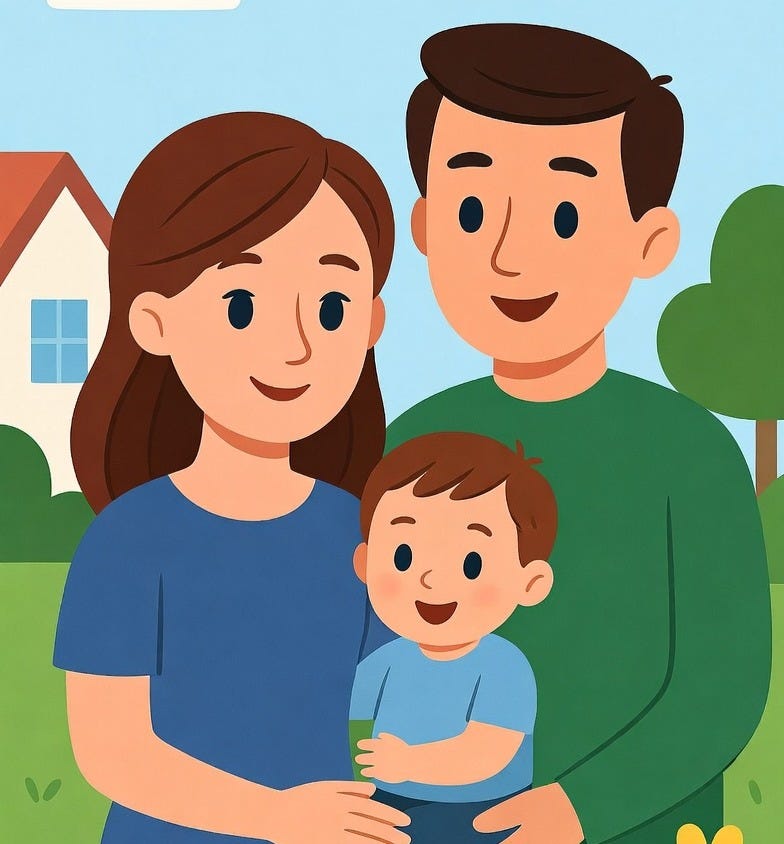
Parental Counselling: Understanding the 4 Types of Parenting Styles
TL;DR:
This article is for parents, parents-to-be, and anyone seeking better understanding of parenting. It explains healthy parenting styles and how understanding and emotional connection help raise confident, emotionally secure children.
Parenting is not just about providing food, education, or discipline.
The way parents respond, communicate, and emotionally connect with their child plays a crucial role in shaping the child’s personality, confidence, and mental health.
In parental counselling, we commonly observe four major parenting styles.
Each style has a deep impact on a child’s emotional and behavioural development.
1. Authoritarian Parenting (Strict & Controlling)
Key characteristics:
- Very strict rules
- High expectations
- Low emotional warmth
- “Do as I say” attitude
Common parent behaviour:
- Punishment over explanation
- Little room for discussion
- Emotions of the child are often ignored
Effect on the child:
- Fearful, anxious, or submissive
- Low self-confidence
- Poor decision-making skills
- Rebellion or emotional suppression later in life
📌 Children may obey, but they don’t always feel understood.
2. Authoritative Parenting (Firm but Supportive)
Key characteristics:
- Clear rules with flexibility
- High expectations with emotional support
- Open communication
Common parent behaviour:
- Explains reasons behind rules
- Encourages independence
- Listens to the child’s feelings
Effect on the child:
- Confident and emotionally secure
- Good self-discipline
- Strong problem-solving skills
- Healthy self-esteem
📌 This is considered the most balanced and healthy parenting style.
3. Permissive Parenting (Loving but Lenient)
Key characteristics:
- Very few rules
- High emotional warmth
- Avoids discipline
Common parent behaviour:
- “Let the child do whatever they want”
- Difficulty saying no
- Wants to be a friend rather than a guide
Effect on the child:
- Poor self-control
- Difficulty handling authority
- Impulsiveness
- Entitlement issues
📌 Love without limits can confuse a child.
4. Neglectful Parenting (Uninvolved & Detached)
Key characteristics:
- Low emotional involvement
- Minimal guidance or supervision
- Child feels emotionally alone
Common parent behaviour:
- Busy, emotionally unavailable
- Unaware of child’s needs
- Lack of interest in child’s life
Effect on the child:
- Emotional insecurity
- Behavioural issues
- Poor attachment
- Higher risk of anxiety and depression
📌 Children don’t just need space — they need presence.
Why Parental Counselling Matters
Many parents do not intentionally choose a parenting style;
often, they repeat patterns from their own childhood or act out of stress, fear, or lack of awareness.
Parental counselling helps:
- Identify one’s parenting style
- Understand the child’s emotional needs
- Improve parent–child bonding
Prevent long-term emotional and behavioural issues
There is no “perfect parent,” but conscious parenting can make a world of difference.
When parents learn to balance discipline with empathy, children grow into emotionally strong and mentally healthy adults.
Parenting is not about control — it is about connection.
A Gentle Message to Parents: Understanding Children Through Psychology
Children are not extensions of their parents’ unfulfilled dreams.
They are independent individuals with their own temperament, abilities, interests, and life purpose.
❌ Do not impose your unrealised wishes on your children.
❌ Do not see them as a return investment for your sacrifices.
✔️ See them as human beings who need guidance, not control.
When parents force their expectations — career choices, emotional needs, social image — children may grow up confused, anxious, or emotionally burdened.
Understanding Attachment Across Stages of Life (Psychological Perspective)
Human emotional attachment naturally changes with age. This is normal and healthy.
👶 Up to 10 years
- Children are emotionally attached to parents
- Parents are their world, safety, and identity
- Strong bonding during this stage builds emotional security and confidence
📌 Over-control or emotional neglect at this stage can create fear or insecurity.
👦👧 Adolescence & Teenage Years
- Emotional attachment gradually shifts toward friends and peer groups
- Children seek acceptance, independence, and identity
- Conflict with parents is developmental, not disrespect
📌 Parents who understand this phase stay connected without becoming controlling.
💑 Adulthood
- Emotional attachment naturally shifts to a life partner
- This does NOT mean children love parents less
- It reflects emotional maturity and psychological growth
📌 Parents who cannot accept this transition often experience emotional dissatisfaction and conflict.
Healthy Parenting Means Letting Children Grow
Psychology teaches us that:
- Attachment should be secure, not possessive
- Guidance should be supportive, not dominating
- Love should be unconditional, not transactional
Children raised with understanding grow into adults who:
- Respect their parents genuinely
- Maintain emotional balance
- Form healthy relationships
The goal of parenting is not lifelong dependence, but confident independence.
This article is for educational awareness and does not replace a personal medical consultation.